
TECHNICAL BRIEF / AIRPORT AWARENESS
Why Airports Need Passive Acoustic Context in Low-Altitude Awareness
Airport continuity depends on more than noticing an unusual observation. Teams need to understand what was observed, when it was observed, how reliable the source may be, what lawful context is available, and who is responsible for the next decision. Passive acoustic sensing can contribute a local sound-based indication under appropriate governance. It does not identify an aircraft, an operator, intent, authorisation or a required response. Its value is in becoming one traceable evidence layer alongside authorised radio context, radar, visual review, airport operations information and trained human judgement.
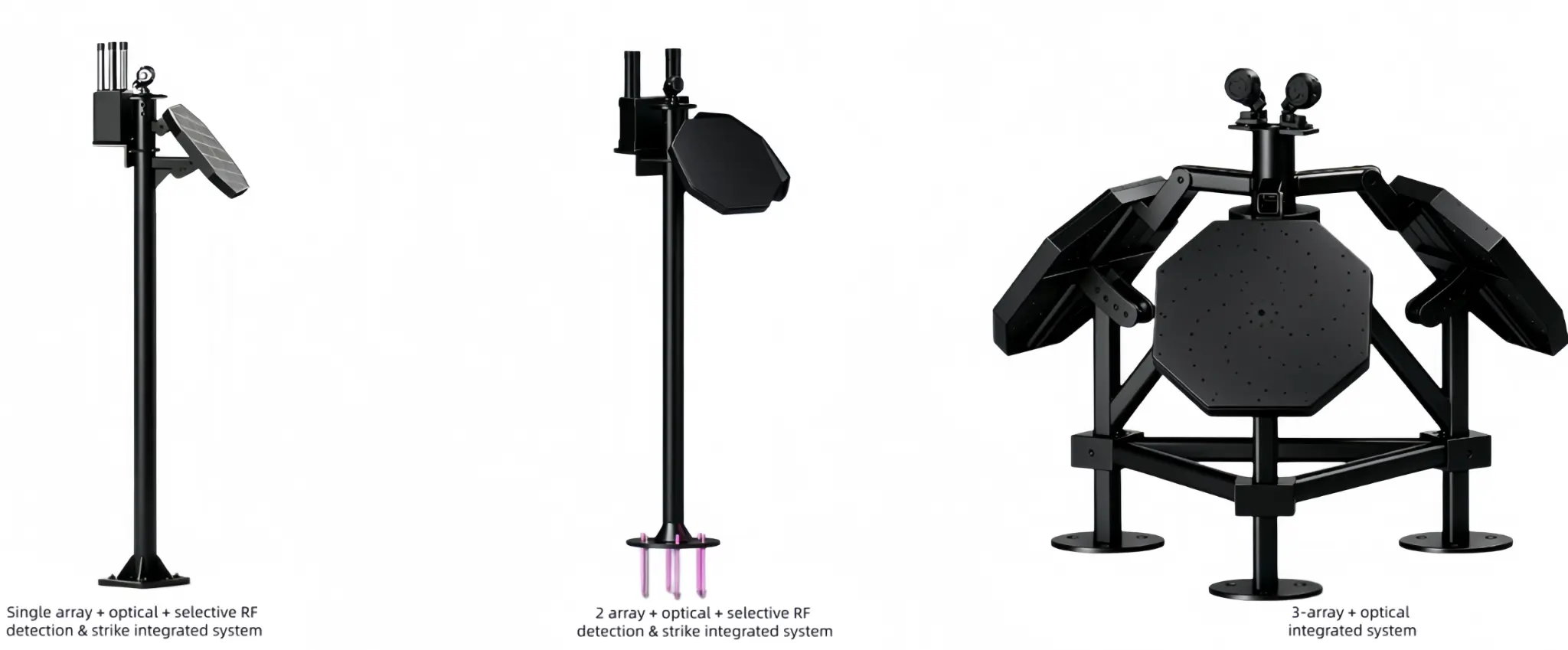
Passive acoustic sensing can add local environmental context to airport low-altitude awareness when it is governed as one evidence layer among authorised RF, radar, optical, operational and human-review inputs.
Airport soundscapes contain useful cues and persistent ambiguity.
Runway activity, airside vehicles, ground-support equipment, scheduled aircraft, weather, construction and wildlife can all shape an airport soundscape. A passive acoustic system may flag a pattern that merits review, but it can also encounter ordinary activity and environmental variation. The first design rule is therefore descriptive, not declarative: record what the sensor observed, the time, its operating condition, the local acoustic context and the uncertainty. Do not turn a sound-related indication into a claim about a particular aircraft, person, authorisation or threat.
One source should prompt comparison, not an automatic conclusion.
An airport can compare an acoustic indication with authorised operational records, lawful RF-context information, radar observations and optical review where available and appropriate. Those sources have different blind spots. A radio observation may be absent; a radar return can be ambiguous; a camera view can be obscured; a sound pattern can overlap with ordinary activity. A useful review interface preserves the source of each observation, its timing, quality and disagreement. Trained reviewers should be able to mark an event unresolved, benign, requiring additional authority review, or closed under approved procedures.
Technical awareness must remain inside aviation, privacy and public-safety responsibilities.
Before introducing passive acoustic context, an airport should define purpose, legal authority, access roles, data minimisation, retention, correction routes, system-health checks and escalation responsibility. Original audio or derived event records require their own safeguards. The system should support authorised civil review and coordination, not personal tracking, operator identification, interception, communication interference or automated enforcement. Its limits, including uncertain or missing observations, should be visible to everyone asked to use the information.
A practical airport-awareness design question
The goal is not to build a sensor that decides an event. It is to establish a defensible civil workflow that can receive a limited acoustic indication, compare it with lawful context and other evidence, document uncertainty, and put accountable people and authorities in charge of any next step. Each airport needs its own aviation, safety, privacy and operational review before adopting that workflow.
Discuss Civil Airport AwarenessThis technical brief is educational and civil-safety focused. It does not provide operating parameters, ranges, placements, target-tracking methods, response procedures, interference guidance, performance guarantees, legal advice or automatic-decision authority. Passive acoustic context is complementary evidence only and may be affected by local sound, weather, equipment condition and site design.