
SONICVAST / EVIDENCE DESIGN
Using Acoustic Detection to Cover RF Detection Gaps in Drone Security
An RF gap is not proof that an aircraft is absent; it is a statement about what one sensing path did not observe. Acoustic detection can help a civil security team investigate that uncertainty by adding a different kind of evidence: nearby sound patterns, time context, and a reason for authorized human review. The responsible design is not to make sound decide, but to make the gap visible, bounded, and reviewable.
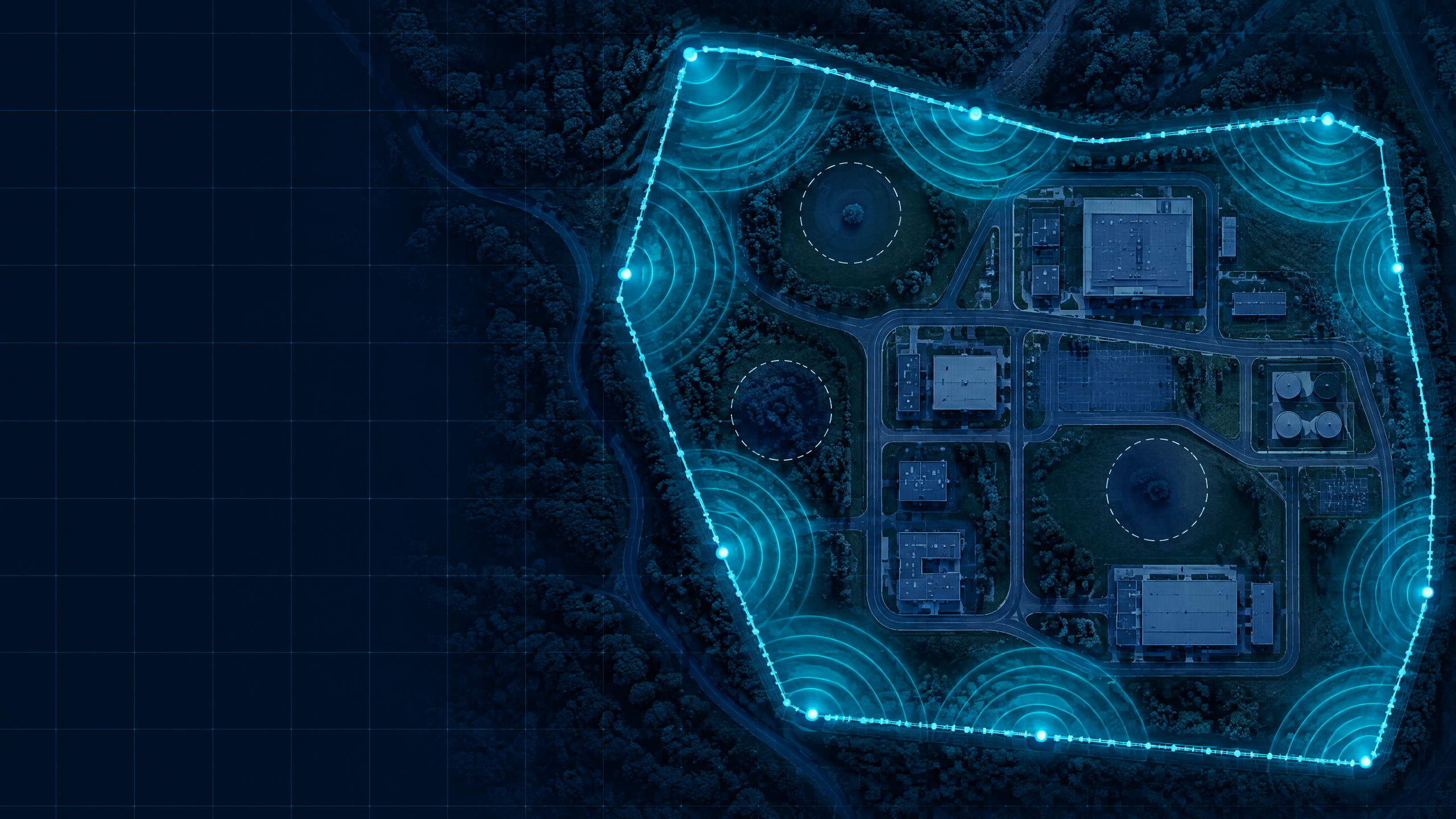
A compliance-first guide to treating acoustic detection as a governed source of local context when RF observations are unavailable, ambiguous, or incomplete.
Use sound to make an absence legible
Acoustic sensing can observe pressure-wave patterns near a monitored site even when an RF path produces no relevant observation. That makes it useful as a prompt for investigation, not as a substitute for identification. Wind, rain, structures, traffic, construction, wildlife, machinery, and changing background levels can all shape the signal. Record the environmental context, sensor health, processing state, and uncertainty so a reviewer can understand what was—and was not—observed.
Define the gap before correlating it
An RF gap may mean that a relevant signal was not observed under the configured monitoring purpose and conditions. It does not establish that no aircraft, controller, or other source exists. Integrators should distinguish unavailable data, degraded sensor health, out-of-scope observations, and a genuine lack of observed RF. Present those states separately, with synchronized timestamps, rather than turning them into a single reassuring or alarming label.
Let disagreement slow the conclusion
An acoustic event during an RF gap may deserve review, while an acoustic event with an RF observation may still be unrelated to an aircraft. Correlation is a way to organize questions, not a license to infer identity or intent. A review interface should preserve each source’s provenance, confidence language, time alignment, and known limitations. Where appropriate and lawfully available, EO/IR can add another observation, but it remains subject to lighting, weather, occlusion, privacy controls, and human interpretation.
Keep people and policy in the loop
C2 and API workflows should route an uncertain event to a named, authorized reviewer rather than automatically escalating it into a consequential action. Define who may view live or retained acoustic data, who may classify an event, how a reviewer records confirm, reject, or unresolved outcomes, and how corrections are made. Use least-privilege access, audit logs, retention limits, and a documented failure state. Any response beyond observation requires applicable legal authority, facility policy, and explicit approval.
Where this applies
This approach fits civil facilities such as transport properties, energy and utility sites, campuses, industrial locations, and other controlled low-altitude environments that need accountable awareness when one sensing path is incomplete. It is most useful during requirements definition, sensor-integration design, acceptance testing, incident review, and periodic governance review. Applicability depends on local acoustics, architecture, weather, neighboring activity, privacy constraints, and risk assessment; validate the workflow with authorized stakeholders before relying on it.
Ask SonicVast to help map the RF gaps at your site, define what acoustic context can and cannot establish, assign human review authority, and validate the evidence workflow before operational reliance.Disclosure: SonicVast provides educational information, not legal advice, a product endorsement, or a guarantee of detection or classification. This article does not prescribe interception, jamming, countermeasures, or tactical deployment. Teams remain responsible for applicable law, privacy, safety, procurement controls, human authorization, data governance, and site-specific validation.