
INDUSTRY WATCH / SENSOR INTEGRATION
Defense News describes Honeywell’s multi-sensor counter-drone integration approach
Defense News reported on 15 October that Honeywell Aerospace’s SAMURAI system uses its UNITAS software to bring information from radar, cameras, radio-frequency sensors and other equipment into one interface. The report describes an open-architecture approach intended to accommodate equipment from different manufacturers, including systems already owned by customers. It also names acoustic sensing as a possible observation source. This source-attributed record concerns an integration approach described in a news report. It does not establish independent performance, universal interoperability, deployed outcomes, a civil-site recommendation or SonicVast involvement.
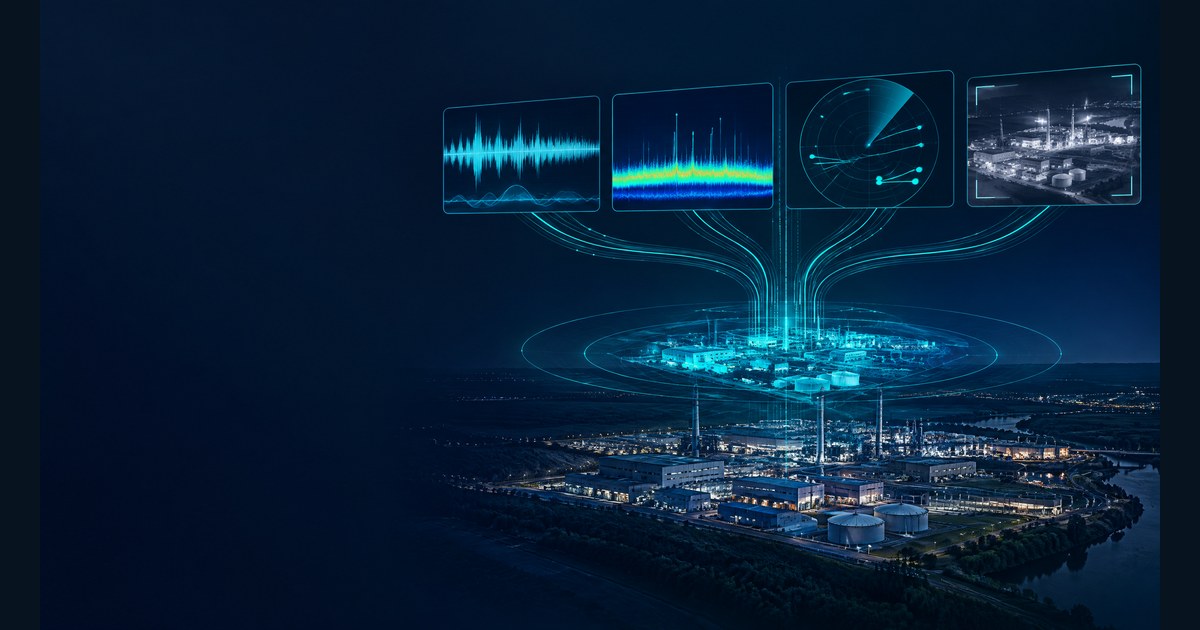
Defense News describes Honeywell Aerospace’s SAMURAI system and UNITAS software as bringing radar, cameras, RF and other sensor information into one interface through an open-architecture approach.
The report describes a single interface for information from several sensing and system sources.
Defense News says Honeywell’s UNITAS software is designed to consolidate information from radar, cameras, RF sensors and other equipment associated with SAMURAI. The report quotes a Honeywell representative describing a single interface and an open approach for existing equipment from other manufacturers. This documents a reported integration concept, not a universal interoperability guarantee or a technical outcome at a particular site.
An architecture description does not validate every connection, result or site workflow.
The public article does not establish a common test protocol, accuracy, false-alert profile, connector compatibility, cyber assurance, customer configuration or field result for every sensor combination. It also does not show that data correlation establishes identity, intent or authorisation. Product and system descriptions remain attributable to the cited reporting and representative statements.
Civil teams can translate the reported approach into accountable questions about integration.
For authorised civil programmes, useful questions concern lawful purpose, interface ownership, source provenance, time alignment, data minimisation, cyber controls, maintenance responsibilities and who reviews disagreement. Acoustic, RF, radar and EO/IR observations can be complementary inputs for human review, not a basis for automatic adverse action. Each site needs qualified legal, aviation, safety, privacy, cybersecurity and engineering assessment.
Make common pictures evidence-aware
Retain the identity, time, health state and uncertainty of every source; make human ownership and data-governance controls visible before connecting systems.
Discuss a civil, compliance-first multi-sensor evidence and integration review with SonicVast.Source note: Defense News reporting reviewed on 16 October 2026. The source name is shown for transparency; external links are not displayed. This record does not claim independent performance, universal interoperability, procurement, deployment, civil suitability or SonicVast involvement.