
INTEGRATION NOTE
How Modular Drone Detection Systems Simplify C-UAS Integration
For a power site, transport hub, or other protected facility, the hard part is rarely adding one more sensor. The harder task is making different observations understandable, auditable, and proportionate to the site’s authority and risk model. A modular drone-detection system gives integrators a way to establish those boundaries before connecting tools to a C-UAS or security environment.
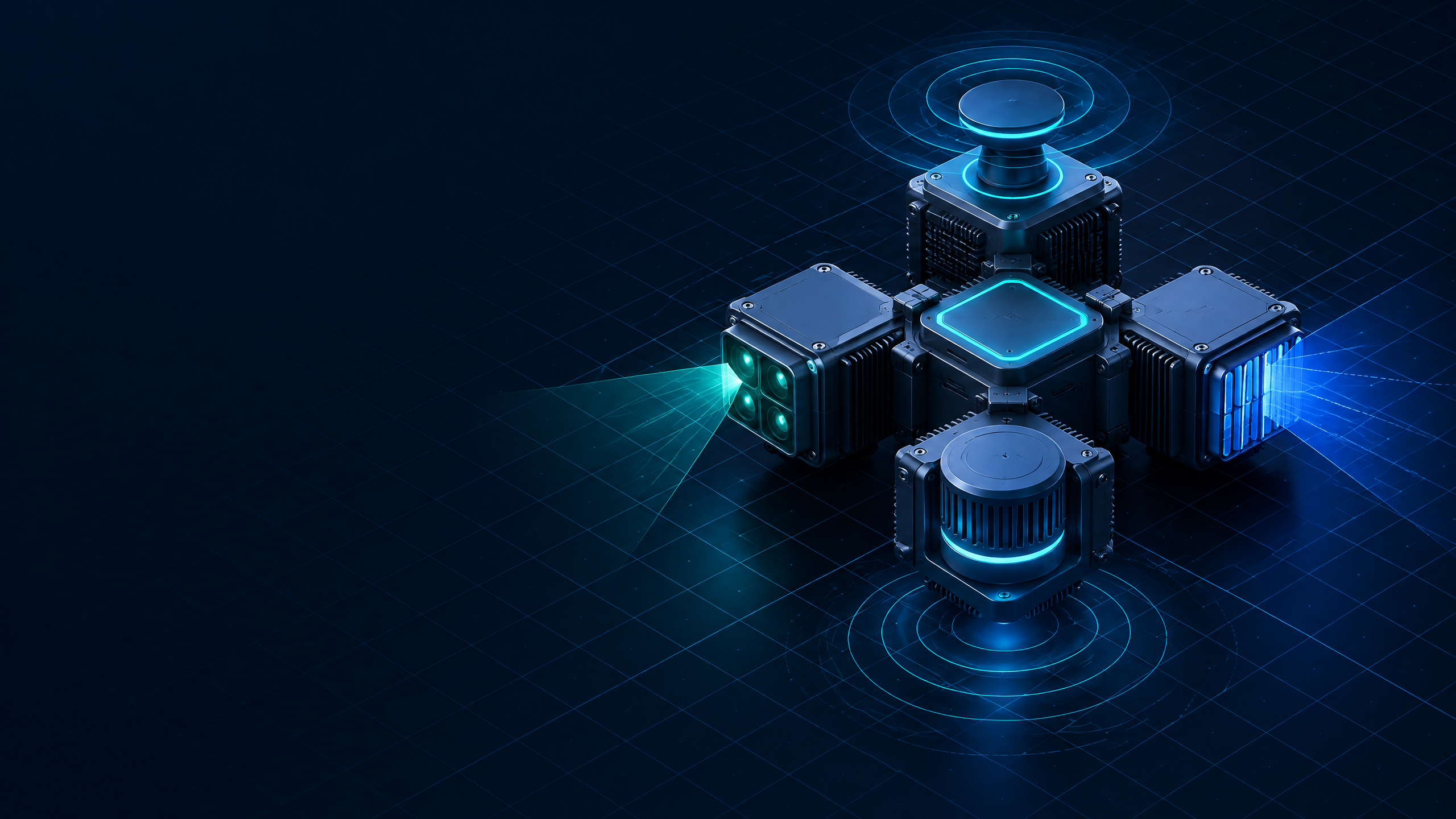
Modularity can make low-altitude detection easier to govern: separate sensing, correlation, review, and reporting so each capability can be validated without turning an alert into an automatic conclusion.
Start with independent observations
Acoustic, optical, and RF inputs describe different aspects of an environment, and each can be affected by weather, structures, routine activity, or data quality. Treat every input as an observation with provenance and confidence—not as proof of an aircraft, intent, or threat. A modular interface helps teams add or retire a source without hiding what changed in the evidence chain.
Keep correlation inspectable
A correlation layer should show which observations were associated, when they were received, and where uncertainty remains. Integrators should define the difference between a signal, an event, an alert, and a reviewed case. Human reviewers need enough context to challenge a false association, record an alternative explanation, and preserve the original observations for later audit.
Connect only what the site authorizes
C2, case-management, and notification connections should follow a documented authority model. Use least-privilege access, explicit API contracts, time-synchronized logs, and change control for every integration. Define who may view, export, annotate, or escalate an event, and separate detection data from any action that would require additional legal, safety, or organizational approval.
Validate the whole workflow at the site
A component can be suitable in isolation and still behave differently amid a facility’s materials, radio environment, sightlines, access rules, and normal activity. Use site-specific acceptance criteria, controlled test cases, maintenance records, and periodic review. Document known blind spots and define a safe degraded mode so a missing feed does not silently become a confident alert.
Where this approach applies
The pattern is useful when a critical-infrastructure team needs to combine existing security systems with new low-altitude observations, preserve vendor flexibility, or stage an integration review without replacing every component at once. It is less suitable to treat a modular stack as a shortcut around spectrum assessment, privacy review, safety assessment, procurement controls, or site-specific validation. Begin with a bounded workflow and expand only when its evidence and governance remain understandable.
Map your current observation, review, authorization, and retention boundaries with the SonicVast team before selecting the next integration point.Educational content for civil low-altitude security planning. It is not legal advice, a certification, a performance guarantee, or an instruction for countermeasure, interception, or tactical activity. Final architecture, use, and authorization remain the responsibility of the deploying organization.